How to Handle Spiffs, Bonuses, and Incentive Pay in Plumber Payroll
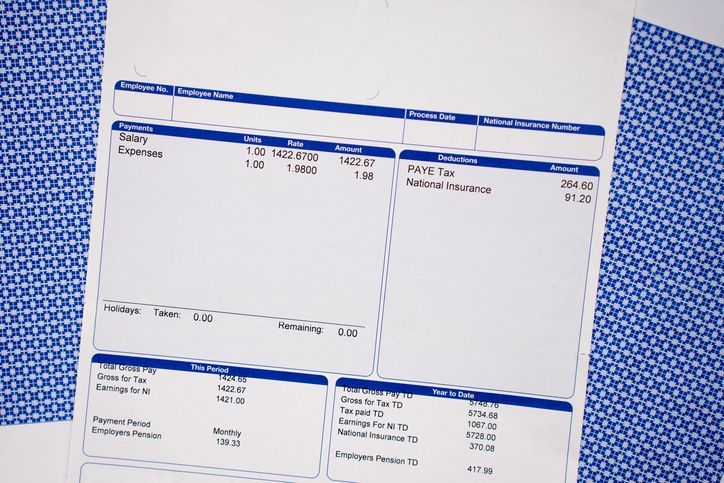
Plumbing companies often pay service technicians more than a standard hourly wage. Depending on the business, employees may receive spiffs, performance bonuses, sales incentives, productivity bonuses, or other types of additional compensation.
The challenge is making sure those payments are tracked consistently and included correctly in the payroll process.
A clear plumber payroll bonus structure gives plumbing business owners a repeatable way to document who earned an incentive, what the payment was for, when it was earned, and when it should be submitted for payroll. That becomes especially important as a plumbing company adds technicians, introduces multiple incentive programs, or manages employees working variable schedules.
For most plumbing businesses, the goal is not to create a complicated compensation system. It is to make sure additional pay does not become a collection of spreadsheets, text messages, handwritten notes, and last-minute payroll adjustments.
What Is a Plumber Payroll Bonus Structure?
A plumber payroll bonus structure is the process a plumbing company uses to define, track, approve, and process additional employee compensation such as bonuses, spiffs, and performance incentives.
A good structure answers a few basic questions:
- What qualifies an employee for the incentive?
- How is the amount determined?
- Who approves the payment?
- How is it documented?
- When is the information sent to payroll?
These questions matter because incentive compensation can easily become disconnected from regular payroll. A technician may earn a spiff during a service call, but the office still needs a reliable way to record that information and include it in the appropriate payroll process.
The more technicians and incentive programs a company has, the more valuable a consistent system becomes.
What Are Spiffs, Bonuses, and Incentive Pay for Plumbers?
Plumbing businesses may use several forms of additional compensation. Although owners may use different terminology internally, the programs generally reward an employee for achieving a specific result or recognize performance beyond regular wages.
A spiff is commonly used to describe an incentive tied to a specific product, service, or result. A plumbing company might, for example, offer an incentive related to a qualifying service or product sold during a service call.
A performance bonus may instead be tied to predetermined goals, productivity, customer service, attendance, sales, or another measurable performance standard.
An incentive pay program is a broader compensation structure that rewards employees based on defined results or performance criteria.
Whatever terminology a plumbing company uses, the payroll process should clearly identify what the payment represents and how it was determined. The name given to a payment does not, by itself, determine how that payment should be treated for payroll purposes.
Why Incentive Pay Makes Plumber Payroll More Complicated
Base wages are usually relatively straightforward to track. Spiffs and bonuses create another layer because the information may originate somewhere other than the timekeeping system.
For example, a technician could complete several qualifying service calls during the week. A service manager approves the related incentives, but those amounts may be tracked in a service platform, spreadsheet, email, or another system. Someone then needs to make sure the approved amounts reach payroll accurately and on time.
Problems often develop when there is no standardized process. An incentive could be:
- Reported after payroll has already been processed
- Entered for the wrong employee
- Submitted twice
- Left out entirely
- Recorded without enough information to verify it later
These aren't necessarily complicated payroll problems. They are often process problems. Creating a reliable workflow helps prevent them.
How to Build a Consistent Plumber Payroll Bonus Structure
A plumbing company's incentive program should be understandable before the first bonus is ever processed.
Technicians should know what qualifies for an incentive. Managers should understand how incentives are approved. The person responsible for payroll should know exactly where to find the final information.
One practical approach is to document the same information for every incentive payment. That might include the employee's name, the type of incentive, the amount, the date associated with the payment, and the manager who approved it.
The company should also establish a cutoff for submitting incentive information to payroll. If payroll is processed on a specific day each week or pay period, managers need enough time to review and submit bonuses before that deadline.
This creates a predictable process instead of forcing the payroll administrator to track down managers or technicians every pay period.
How Should Plumbing Companies Track Technician Spiffs?
Spiffs should be recorded as they are earned or approved rather than reconstructed at payroll time.
For example, if a service technician qualifies for an incentive during a customer visit, the company should have a defined process for recording that activity. Depending on the business, that information might originate in a work order, service management system, manager approval process, or another internal record.
The important part is consistency.
A plumbing company shouldn't have one technician reporting incentives through text messages while another gives handwritten notes to the office. A standardized process creates a more reliable record and makes payroll review easier.
It also becomes increasingly important as the company grows. A process that works informally with three technicians may become difficult to manage with ten or twenty.
How Bonuses and Incentive Pay Fit Into the Larger Payroll Process
Additional compensation should not be treated as a completely separate administrative task from payroll.
Employee wages, hours, incentives, and other compensation all contribute to the overall payroll record. That means plumbing companies should make sure bonus information flows into the same organized payroll process used for other employee compensation.
This is also one reason understanding how payroll impacts your business taxes is useful for small business owners. Payroll isn't simply the process of issuing employee checks. Accurate payroll records support broader reporting, withholding, and business recordkeeping responsibilities.
The specific treatment of a particular bonus or incentive can depend on how the compensation program is structured. Plumbing businesses should confirm questions about individual compensation arrangements with the appropriate payroll, accounting, or legal professional.
Can Bonuses Affect Overtime Calculations?
Certain incentive payments can affect payroll calculations for nonexempt employees.
This is particularly relevant for plumbing businesses because technician schedules often vary. Emergency calls, longer jobs, busy weeks, and after-hours service can increase an employee's total hours during a workweek.
If an employee receives additional incentive compensation during the same period, payroll may need to consider more than simply adding the bonus amount to the paycheck.
The correct treatment can depend on the circumstances and the type of incentive involved. For that reason, plumbing companies should avoid assuming that every payment labeled a "bonus" or "spiff" is handled exactly the same way.
From an operational standpoint, the best thing an employer can do is maintain clear records so the person processing payroll has complete information.
Common Plumber Payroll Problems With Bonuses and Spiffs
Most incentive-pay problems become harder to fix when information is incomplete or arrives after payroll is already being processed.
Common issues include managers keeping separate incentive spreadsheets, technicians reporting spiffs differently, missing approvals, and unclear payroll cutoff dates.
Another common challenge is relying on memory.
A technician may have performed qualifying work two weeks earlier, but neither the technician nor the manager remembers all the details when payroll is being reviewed. At that point, the office has to search through work orders, messages, or service records.
A better system records the incentive when the relevant activity occurs and moves it through a consistent approval process.
That gives everyone involved in payroll a reliable source of information.
Why Payroll Reviews Matter for Plumbing Companies
A payroll review gives owners and managers an opportunity to identify missing or unusual information before payroll is completed.
For a plumbing company using incentive compensation, reviewing payroll means looking beyond employee hours. The reviewer should also make sure approved spiffs, bonuses, and other compensation have been submitted correctly.
This becomes particularly useful when a technician has several pay components during the same period.
For example, the employee may have regular wages, additional hours from emergency calls, one or more incentives, and another adjustment. Even when each item is straightforward on its own, the combination creates more opportunities for something to be missed.
A consistent review process makes those situations easier to manage.
When DIY Plumber Payroll Starts Taking Too Much Time
Many plumbing companies begin by handling payroll internally. That can work well when the company has a small team and a relatively simple compensation structure.
As the business grows, payroll often changes.
More technicians mean more time records. Incentive programs add additional compensation information. Emergency service can create variable schedules. Managers may need to submit approvals. Employee changes and payroll records also need to stay organized.
At that point, owners may start asking whether it still makes sense to do payroll yourself.
The answer will be different for every plumbing company. The useful question is whether the current process is still efficient and manageable.
If the owner or office manager is regularly spending time chasing down hours, reconciling incentives, correcting payroll information, or answering recurring payroll questions, a dedicated payroll provider may help simplify the process.
What Plumbing Businesses Should Look for in a Payroll Process
A payroll system does not need to be complicated to be effective. For a growing plumbing company, the strongest processes tend to share a few characteristics.
Payroll information should be collected consistently. Technicians and managers should know how compensation information is submitted. Records should be easy to review. Payroll deadlines should be clear. And when a question comes up, the business should know who to contact.
That last point can become especially important for small businesses.
A plumbing company may not have a dedicated internal payroll department. The person handling payroll could also be responsible for scheduling, customer service, bookkeeping, or other administrative tasks. Having a dedicated payroll specialist provides a consistent point of contact who becomes familiar with the company's normal payroll process.
Frequently Asked Questions About Plumber Payroll Bonuses
What is a plumber payroll bonus structure?
A plumber payroll bonus structure is the process used to define, document, approve, and process employee bonuses, spiffs, or other incentive compensation. It helps make sure additional pay is handled consistently from one payroll period to the next.
What is a spiff for a plumbing technician?
A spiff is commonly used to describe an incentive tied to a particular product, service, sale, or other specified result. The exact structure varies by employer.
Should plumbing companies track spiffs separately?
A company may use a separate system to initially record incentive activity, but approved compensation should ultimately be incorporated into an organized payroll process. Keeping clear records makes payroll easier to review and reduces the chance of missing a payment.
Can plumber bonuses affect overtime?
Some incentive payments may affect payroll calculations for nonexempt employees. The specific treatment depends on the circumstances and compensation arrangement, so employers should confirm how a particular incentive program applies to their workforce.
When should incentive information be submitted to payroll?
Plumbing companies should establish a consistent internal cutoff that gives managers time to verify incentives before payroll is processed. The exact schedule depends on the company's payroll frequency and workflow.
Is outsourced payroll useful for a small plumbing company?
It can be, particularly when payroll starts consuming significant administrative time or compensation becomes more complicated. The decision depends less on employee count than on the business's payroll needs, internal resources, and desired level of support.
Simplify Plumber Payroll With Down to Basics Payroll
A growing plumbing business shouldn't have to rebuild its payroll process every time it adds a technician, introduces an incentive program, or changes how employees are compensated.
Down to Basics Payroll provides payroll services for plumbers and other small businesses that want a more consistent and personalized approach to payroll. Instead of navigating payroll questions alone, clients work with a dedicated payroll specialist who becomes familiar with their business and payroll process.
If tracking spiffs, bonuses, employee hours, and payroll changes is taking more time than it should, contact Down to Basics Payroll to learn how personalized payroll support can help simplify payroll for your plumbing business.

Author: Tom Bobbik
Thomas Bobik, founder of DTB Payroll, is from Monroeville, PA, and a University of Pittsburgh graduate. After working in Florida and Pittsburgh, he fulfilled his dream of starting a business. Initially focused on bookkeeping, he expanded into payroll services, and in 2015, launched DTB Payroll to offer specialized payroll solutions.